
Overview
Overview and Charm of the Jewish Museum Vienna
The Jewish Museum Vienna is a significant institution dedicated to exploring Jewish history, religion, and culture, particularly within the context of Vienna. It encompasses two distinct locations, Palais Eskeles on Dorotheergasse and the Museum Judenplatz, both offering unique perspectives accessible with a single ticket. The museum's overarching theme spans from the Middle Ages to the present day, illuminating the rich tapestry of Jewish life in Vienna before the Shoah and showcasing the vibrant Jewish presence in recent decades. It combines historical documentation with contemporary reflections, fostering a space for encounter and understanding. Its collections include a wide array of Judaica, ritual objects, works of art, and memorabilia, providing comprehensive insight into Viennese and Austrian Jewish heritage.
Highlights and Recommended Exhibits
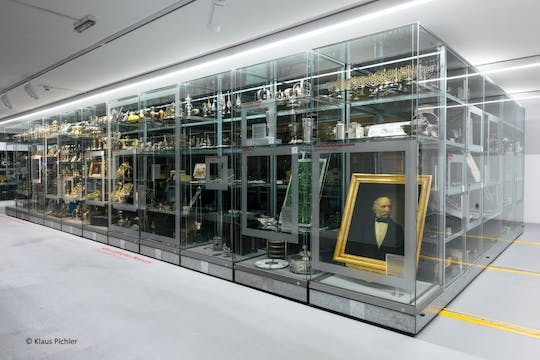
At Palais Eskeles, the permanent exhibition, "Our City! Jewish Vienna - Then to Now," guides visitors through the city's Jewish history from its medieval origins to modern times. A dedicated visible storage area offers a detailed look into the museum's extensive and unique collections, featuring an array of sacred artifacts, artistic expressions, and personal mementos. An innovative computer program allows for a virtual exploration of Viennese synagogues that were destroyed, offering a poignant connection to the past. The Museum Judenplatz, situated at a site historically central to medieval Jewish life, presents a permanent exhibition focused on Viennese Jewry from that era. Beneath the museum, the preserved foundations of a medieval synagogue and various archaeological finds invite contemplation of a deeply rooted history. The museum also frequently presents temporary exhibitions that delve into diverse subjects, from literature and architecture to photography and contemporary art, often exploring social-historical themes and their connections to Jewish urban history. Themes of past temporary exhibitions have included recovered items, the experiences of the "third generation" after the Holocaust, and explorations of societal "misunderstandings," inviting engagement and reflection.
Recommended Engagement Opportunities
The Jewish Museum Vienna encourages deep engagement with its themes through various avenues. Its dynamic approach to exhibitions allows visitors to immerse themselves in the meticulously documented narrative of the Jewish community's journey through Vienna across centuries at Palais Eskeles. The visible storage area provides a rare opportunity for a behind-the-scenes view of the museum's extensive collections, while the virtual tour of destroyed synagogues offers a unique interactive experience for digital exploration of historical spaces. The Museum Judenplatz provides a distinct experience by presenting medieval Jewish history within the context of actual archaeological findings. Beyond the permanent displays, the museum frequently curates temporary exhibitions that delve into specific aspects of Jewish culture, art, and societal interactions, offering fresh perspectives and fostering continued dialogue. For a more structured or in-depth understanding, the museum also offers guided tours and educational programs.
Points to Know Before Visiting
A visit to the Jewish Museum Vienna typically takes 1 to 2 hours for a meaningful experience, though those who wish to delve deeper into the narratives and artifacts may consider allocating more time. The museum facilities are designed to enhance visitor comfort. There is a museum shop available for those interested in further reading or mementos related to the museum's themes. A café, Café Eskeles, is also on-site, offering a space for refreshment with Israeli specialties and a welcoming atmosphere. Information within the museum is presented in multiple languages, including German and English, making the content accessible to a wider audience.
Reviews
"The excellent museum offers profound, deeply moving insights into Jewish history. Its focused narratives create a truly essential and engaging visit." "This fascinating museum is a true hidden gem. It offers immense learning in a focused setting, complemented by its wonderful and helpful staff." "An incredibly informative and accessible museum with vital insights into history. The delightful coffee house enhances this refreshing and modern experience." "The compelling exhibits offer a unique and honest perspective on history, revealing a community's enduring journey. A truly enriching and vital experience." "This museum is a must-see for its incredible educational value. It masterfully intertwines community, city, and national history for all to appreciate."
Opening Hours
Monday: 10:00 AM – 6:00 PM Tuesday: 10:00 AM – 6:00 PM Wednesday: 10:00 AM – 6:00 PM Thursday: 10:00 AM – 6:00 PM Friday: 10:00 AM – 6:00 PM Saturday: Closed Sunday: 10:00 AM – 6:00 PM
How to Get There
Bus stop
42m (0.03mi) from Good Work - about a 1-minute walk 90m (0.06mi) from Austro-American Society - about a 2-minute walk 89m (0.06mi) from Plankengasse - about a 2-minute walk
Train / Subway
318m (0.20mi) from Stephansplatz - about a 5-minute walk 2.8km (1.76mi) from Herrengasse 1.2km (0.75mi) from Karlsplatz
Map
<div class="maps_inPage"><iframe src="https://www.google.com/maps/embed/v1/place?q=Jewish%20Museum%20Vienna&language=en&key=AIzaSyDSXnuFxE3B1oprM7fhXpI0Zj7dMr4BYtY" allowfullscreen></iframe></div>
Things to Do in the Area
Unveiling Austria's Imperial Heritage and Scenic Grandeur
Austria invites travelers to immerse themselves in a landscape where majestic mountains meet grand imperial cities, offering a unique blend of natural beauty, rich history, and world-class culture. This heart of Europe promises unforgettable experiences, from alpine adventures to classical music.
- Salzburg: Nestled amidst picturesque mountains, Salzburg, the birthplace of Mozart, enchants visitors with its baroque architecture and the imposing Hohensalzburg Fortress. Explore its charming Old Town, a UNESCO World Heritage site, and discover the city's profound musical legacy.
- Tyrol: This alpine region is a haven for nature lovers and outdoor enthusiasts, boasting stunning mountain vistas, pristine lakes, and vibrant valleys. Its capital, Innsbruck, offers a fascinating mix of imperial history and modern alpine sports, set against a breathtaking natural backdrop.
- Hallstatt: Often described as one of the most beautiful lakeside villages in the world, Hallstatt is a true gem. Its idyllic setting, historic salt mines, and traditional houses clinging to the mountainside create a captivating atmosphere, perfect for serene exploration and photography.
Vienna: A City of Grand Palaces and Artistic Echoes
Vienna, the elegant capital, captivates with its imperial palaces, renowned classical music scene, and vibrant coffeehouse culture. Every corner of this city tells a story, blending centuries of history with a dynamic contemporary spirit.
- Schönbrunn Palace: Step into the former imperial summer residence, a magnificent baroque palace with over 1,400 rooms. Wander through its opulent staterooms, stroll in the expansive gardens featuring the Gloriette, and visit the oldest continuously operating zoo in the world.
- St. Stephen's Cathedral: An iconic symbol of Vienna, this stunning Gothic cathedral dominates the city skyline. Climb its towering South Tower for panoramic views of Vienna, or explore its intricate interior and fascinating catacombs, delving into centuries of history and artistry.
- Hofburg Palace: Once the center of the Habsburg Empire, the Hofburg Palace complex houses a wealth of attractions, including the Imperial Apartments, the Sisi Museum, the Spanish Riding School, and various other museums that bring Austria's imperial past to life.
- Belvedere Palace: This exquisite baroque complex is home to the world's largest collection of Austrian art, most notably Gustav Klimt's "The Kiss." The palace itself is an architectural marvel, complemented by beautifully landscaped gardens perfect for a leisurely walk.
- Viennese Coffee Houses: Experience a UNESCO Intangible Cultural Heritage by visiting a traditional Viennese coffee house. These elegant establishments are more than just places to drink coffee; they are living rooms, offices, and cultural hubs where you can savor local pastries and soak in the city's unique ambiance.