
Overview
Overview and Appeal of the Historical Structure
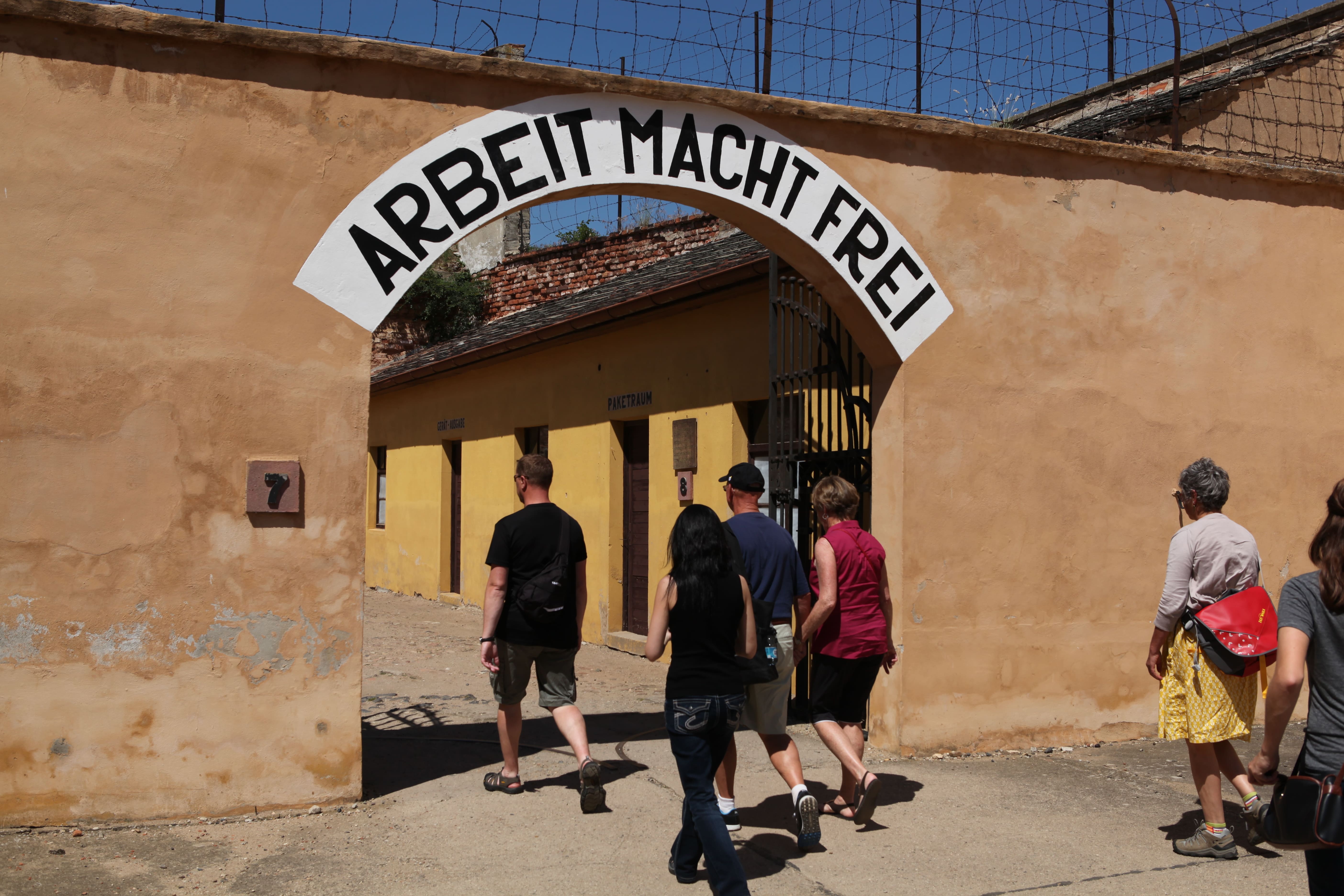
Theresienstadt, known locally as Terezín, is a significant historical site that served as a concentration camp during World War II. Originally established in the 18th century as a fortress, it was repurposed into a ghetto, illustrating the grim realities of the Holocaust. The site is marked by its unique architecture, featuring star-shaped fortifications that initially housed around 7,000 residents but were later remodeled to accommodate up to 60,000 Jews awaiting deportation to extermination camps. The camp was misrepresented by the Nazis as a "spa town" to deceive the outside world, serving as a propaganda tool to conceal their true intentions. Today, Terezín stands as a somber reminder of humanity’s darkest period, giving voice to the stories of resilience and suffering faced by countless prisoners.
Highlights and Recommended Experiences
Visitors to Terezín can explore several significant areas that reflect both despair and hope.
- The Terezín Memorial showcases exhibitions that display poignant narratives, including firsthand accounts and artwork created by inmates, capturing their cultural resilience despite oppressive conditions.
- The Small Fortress, where political prisoners were detained, serves as a stark reminder of the brutality faced by many, featuring original Gestapo prison cells.
- A notable highlight is the children's drawings, which evoke powerful emotions and serve as a testament to the innocence lost during the Holocaust.
- The museum's thoughtful exhibits describe the daily lives of prisoners, their secret acts of defiance, and the cultural activities that continued amidst dire circumstances.
Visitors are encouraged to take their time to absorb the environment, capturing photos that honor the memory of those who suffered. Each corner of Terezín offers a glimpse into a complex history of suffering and strength.
Things to Know Before Visiting
When planning your visit to Terezín, consider the following recommendations to enhance your experience:
- Allocate approximately 4 to 5 hours at the memorial to fully engage with the exhibits and surroundings.
- Comfortable walking shoes are essential, as the uneven grounds require careful navigation.
- Bring a light meal and bottled water, as dining options within the facility are very limited, with only a small kiosk available.
- Be prepared to engage emotionally with the history presented, as many visitors find the experience profoundly moving.
Visiting Terezín is not merely an educational outing but a chance to reflect on a past that must never be forgotten.
Reviews
"Our tour with Pavel Batel was amazing. His storytelling style was captivating, making history engaging and relevant."
"We had a fantastic day with Pavel Batel at Terezin. His extensive knowledge and personal touch left a lasting impact on us."
"Pavel is an exceptional guide whose passion for Terezin is evident. It was a privilege to gain insight from him."
"Visiting Terezin with Pavel Batel was deeply enlightening. His research and thoughtful narratives created a valuable experience."
"Pavel Batel's tour at Terezin was truly memorable. His ability to convey difficult stories with empathy made it enriching."
Opening Hours
Monday: 9:00 AM – 5:00 PM Tuesday: 9:00 AM – 5:00 PM Wednesday: 9:00 AM – 5:00 PM Thursday: 9:00 AM – 5:00 PM Friday: 9:00 AM – 5:00 PM Saturday: 9:00 AM – 5:00 PM Sunday: 9:00 AM – 5:00 PM
How to Get There
Bus stop
706m (0.44mi) from Terezin, U Pamaniku - about a 11-minute walk
Train / Subway
4.1km (2.57mi) from Bohušovice nad Ohří 4.8km (2.98mi) from Litomerice 4.1km (2.58mi) from Hrdly
Map
<div class="maps_inPage"><iframe src="https://www.google.com/maps/embed/v1/place?q=Theresienstadt%20concentration%20camp%20Principova%20alej%20304%2C%20411%2055%20Terez%C3%ADn%2C%20Czechia¢er=50.5141086,14.166593299999999&language=en&key=AIzaSyDSXnuFxE3B1oprM7fhXpI0Zj7dMr4BYtY" allowfullscreen></iframe></div>
Things to Do in the Area
Exploring the Historical Depths of the Czech Republic
The Czech Republic offers a rich tapestry of history and culture, from its medieval towns to its modern cities. This central European gem invites travelers to discover its significant historical landmarks and vibrant traditions.
- Prague: Known for its stunning architecture and rich history, Prague features majestic castles, Gothic cathedrals, and the iconic Charles Bridge. The city is also famous for its lively arts scene, exquisite cuisine, and charming cafés that line the cobblestone streets.
- Český Krumlov: A UNESCO World Heritage site, this picturesque town is famous for its well-preserved medieval architecture and enchanting castle. Visitors can enjoy a leisurely stroll through its winding alleys, or explore the castle gardens that offer breathtaking views of the Vltava River.
- Kutná Hora: Home to the fascinating Sedlec Ossuary, this historic town is steeped in silver mining history. The stunning Gothic architecture and the uniquely crafted chapel filled with human bones create a gripping yet important historical experience.
The Resilience of Terezín
Terezín, a town steeped in history, offers visitors an insightful glimpse into the complex past of the Czech Republic during World War II.
- Terezín Memorial: This poignant site serves as a powerful reminder of the past. Visitors can explore the former garrison town that was transformed into a ghetto, showcasing chilling artifacts and informative exhibits centered around the lives of those who were imprisoned.
- The Small Fortress: Once a military prison, this fortress reveals layers of historical significance, including stories of resistance and survival during the Nazi occupation. Guided tours provide an intense exploration of the harsh realities faced by prisoners and the countless stories of resilience.
- The Museum of the Ghetto: This museum holds a wealth of knowledge about the cultural and social aspects of life in Terezín, allowing visitors to understand the community's spirit amid adversity. The exhibitions include art and writing from the inmates, portraying their struggles and creativity even in dire conditions.