
Overview
What is Museo di San Marco? Discover its Art, History, and Monastic Charm
Nestled in Florence, the Museo di San Marco offers a unique journey into the heart of the early Italian Renaissance and monastic life. This venerable institution occupies a significant portion of what was once a Dominican monastery, extensively rebuilt and re-established for the Dominican order in the 15th century through the patronage of Cosimo de' Medici. Transformed into a museum in 1869, it stands as a testament to architectural and artistic significance. This history imbues the museum with a distinct atmosphere, inviting visitors to step back in time. Its collection primarily focuses on the works of Fra Angelico, a Dominican friar and painter who lived and worked within these very walls, alongside pieces by Fra Bartolomeo and others. Unlike some of the city's larger, more bustling art spaces, Museo di San Marco offers a quieter, more contemplative environment, allowing for a deeper connection with the art and history it preserves.
Unveiling Masterpieces: Fra Angelico's Frescoes and Beyond
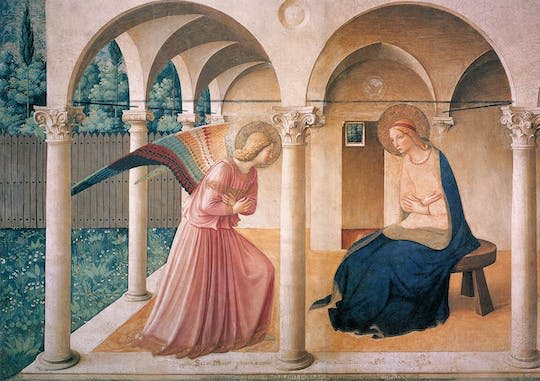
The true allure of Museo di San Marco lies in its remarkable collection of frescoes, particularly those created by Fra Angelico. As you ascend the staircase to the friars' dormitory, you are greeted by "The Annunciation," a breathtaking fresco that showcases the artist's mastery and the evolving artistic techniques of the period, notably the developing use of perspective and naturalism. The museum’s layout allows for an intimate exploration of the monks' former living quarters on the upper floor, where each of the approximately 43 cells features a unique fresco, painted by Fra Angelico or his assistants for the monks' private contemplation. These individual artistic meditations provide a rare glimpse into the spiritual and artistic daily life within the monastery.
Beyond Fra Angelico's prolific work, the museum also houses other significant pieces. Visitors can encounter Ghirlandaio's rendition of "The Last Supper" in the refectory, offering another artistic interpretation of a classic theme. The museum also provides insight into the life of Girolamo Savonarola, the influential and controversial preacher who resided here, with dedicated sections displaying some of his possessions and detailing his impact on Florentine history. The graceful Great Cloister on the ground floor is adorned with frescoes depicting scenes from the lives of Saint Dominic and Saint Antoninus, painted by various artists, adding to the layers of historical and artistic narrative.
Immersing in History: Exploring the Monastic Past
The experience at Museo di San Marco is one of personal discovery, allowing visitors to immerse themselves in the preserved spaces of a Renaissance-era monastery. The beauty of this museum is its ability to transport you to a bygone era, encouraging quiet reflection as you move through the very halls and cells where monks lived, studied, and created. Exploring the rooms, corridors, chapels, and the tranquil cloisters at your own pace offers a unique perspective on the intersection of art, religion, and daily life in 15th-century Florence. The layout, with its numerous monastic cells, each containing a fresco, provides an opportunity to observe the subtle variations and recurring themes in Fra Angelico's work, inviting close observation and contemplation. The serene atmosphere fosters a sense of calm, allowing the historical and artistic richness to unfold gradually.
Planning Your Visit to Museo di San Marco: Essential Tips
To ensure a fulfilling experience, consider these essential tips for your visit to Museo di San Marco:
- Allocate Sufficient Time: Most visitors find 1 to 2 hours suitable to explore the museum thoroughly and absorb its serene atmosphere.
- Follow a Recommended Route: Begin your exploration on the ground floor to appreciate public spaces such as the cloister, refectory, and chapels. Afterwards, ascend to the upper floor to delve into the individual monks' cells with their unique frescoes.
- Explore the Historic Library: Don't miss the Michelozzo Library (Biblioteca di Michelozzo), considered one of the earliest Renaissance public libraries, which adds another layer of historical interest to your visit.
- Embrace the Serenity: The museum's calm environment offers a peaceful respite and an opportunity for personal reflection amidst your explorations. Allow yourself to be drawn to the architectural details and the expressions in the frescoes.
Reviews
"A serene discovery offering peaceful visits. Art gains profound meaning through its rich historical context. This intimate exploration is truly rewarding."
"A hidden gem showcasing breathtaking Fra Angelico art. The historic monastery provides fascinating insights into a significant era, creating a lasting, inspiring impression."
"Explore a beautifully preserved monastery. Its fresco-adorned rooms offer unique insights into devotional life, making it a truly remarkable historical place."
"A true highlight, revealing the Renaissance's origins. Its stunning art and compelling narrative create a profoundly serene and rewarding visit."
Opening Hours
Monday: Closed Tuesday: 8:30 AM – 1:50 PM Wednesday: 8:30 AM – 1:50 PM Thursday: 8:30 AM – 1:50 PM Friday: 8:30 AM – 1:50 PM Saturday: 8:30 AM – 1:50 PM Sunday: Closed
How to Get There
Bus stop
3.4km (2.10mi) from San Marco Basilica 3.4km (2.11mi) from San Marco Piazza 3.4km (2.11mi) from Piazza Di San Marco
Train / Subway
5.2km (3.24mi) from RFI 5.8km (3.59mi) from Florence San Marco Vecchio 5.0km (3.11mi) from Florence Porta Al Prato
Map
<div class="maps_inPage"><iframe src="https://www.google.com/maps/embed/v1/place?q=Museo%20di%20San%20Marco%20Piazza%20San%20Marco%2C%203%2C%2050121%20Firenze%20FI%2C%20Italy¢er=43.7784943,11.259431&language=en&key=AIzaSyDSXnuFxE3B1oprM7fhXpI0Zj7dMr4BYtY" allowfullscreen></iframe></div>
Things to Do in the Area
Tuscany: Where Renaissance Beauty Meets Culinary Delights
Journey through Tuscany, a region where rolling hills are crowned with ancient towns, and every turn reveals a masterpiece of art or a delicious culinary experience. It is a land renowned for its artistic heritage, exquisite wines, and stunning natural beauty.
- Siena: Step back in time in Siena, a UNESCO World Heritage site celebrated for its perfectly preserved medieval city center. The heart of Siena is the magnificent Piazza del Campo, a shell-shaped public space famous for hosting the Palio, a thrilling bareback horse race held twice a year. Wander through its narrow streets, visit the stunning Siena Cathedral with its intricate facade, and savor authentic Tuscan dishes.
- Chianti Wine Region: Explore the picturesque Chianti region, nestled between Florence and Siena, an area synonymous with world-class wine. Drive along scenic routes winding through sun-drenched vineyards and olive groves, stopping at historic wineries for delightful tastings of Chianti Classico. Discover charming medieval villages like Greve in Chianti, where you can browse local markets and enjoy the relaxed pace of Tuscan life.
- Val d'Orcia: Immerse yourself in the iconic landscapes of Val d'Orcia, a UNESCO World Heritage site characterized by its gentle, cultivated hills, cypress trees, and historic towns. This region is a feast for the senses, offering breathtaking photographic opportunities and a chance to indulge in local delicacies. Visit charming hilltop towns such as Pienza, known for its Pecorino cheese, and Montalcino, home of the prestigious Brunello wine.
Florence: The Cradle of Renaissance Splendor
Florence, the capital of Tuscany, is an open-air museum where the legacy of the Renaissance flourishes on every corner. This vibrant city offers an unparalleled immersion into art, architecture, and Italian culture, inviting visitors to walk in the footsteps of masters like Michelangelo and Leonardo da Vinci.
- Florence Cathedral (Duomo): Gaze upon the awe-inspiring Florence Cathedral, officially the Cattedrale di Santa Maria del Fiore, whose magnificent dome by Brunelleschi dominates the city skyline. Climb to the top for panoramic views of Florence, explore the intricate details of Giotto's Bell Tower, and admire the stunning bronze doors of the Baptistery of St. John, known as the "Gates of Paradise."
- Uffizi Gallery: Delve into one of the world's most celebrated art museums, the Uffizi Gallery. Home to an extraordinary collection of Renaissance masterpieces, including Botticelli's "Birth of Venus" and Leonardo da Vinci's "Annunciation," the gallery offers an unforgettable journey through art history. Its extensive halls present a rich tapestry of creativity from the 14th to 16th centuries.
- Ponte Vecchio: Stroll across the iconic Ponte Vecchio, Florence's oldest bridge, famed for its charming shops built directly along its length. Once occupied by butchers and tanners, it now hosts elegant jewelers and souvenir merchants. Enjoy captivating views of the Arno River, especially at sunset, and soak in the timeless atmosphere of this historic landmark.