
Overview
Overview and Charm of Museums and Art Galleries
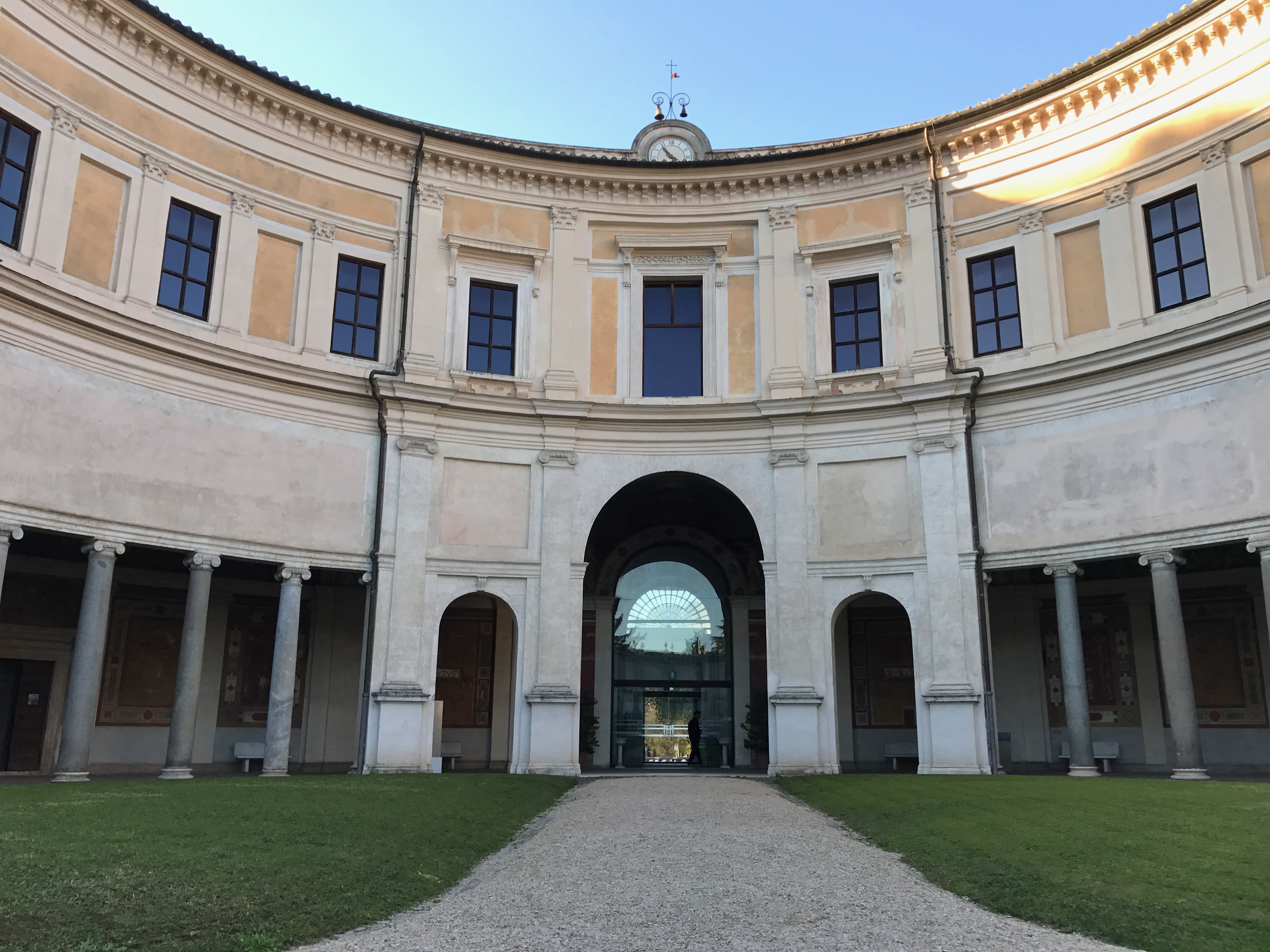
The National Etruscan Museum of Villa Giulia offers an intriguing glimpse into the ancient world of the Etruscans, a civilization that thrived before the rise of Rome. Situated in a beautiful 16th-century villa built for Pope Julius III, this museum is not only an architectural gem but also houses a remarkable collection of artifacts that reveal the richness of Etruscan culture. Visitors will find themselves surrounded by an array of items, from exquisite pottery to intricate jewelry, each narrating stories of a civilization that laid the foundations for Roman achievements. The museum stands out as a serene space where art intertwines with history, providing a refreshing reprieve from the bustling tourist paths typically found in Rome.
Highlights and Recommended Exhibits
Among the museum's notable exhibits, the exquisite works of art are truly captivating. Visitors can marvel at stunning pieces such as:
- The Apollo from Veio, a 6th-century BC statue symbolizing Etruscan sophistication
- The Dea con Bambino (Goddess with a Baby), showcasing the intricate craftsmanship of Etruscan artisans
- A remarkable collection of colorful pottery and elegant metalwork illustrating the practical and ritualistic aspects of Etruscan life
With multiple floors dedicated to various themes, each section offers a deeper understanding of burial customs, social structure, and religious practices, enriching the visitor’s experience while exploring this fascinating culture.
Recommended Experience Programs
The museum also provides unique opportunities to engage with Etruscan history beyond traditional exhibits. Highlights include:
- Guided tours led by knowledgeable staff, revealing lesser-known stories behind the artifacts
- Interactive displays that allow visitors to touch replicas of Etruscan items, connecting with the past through tangible experiences
- Special exhibitions that focus on specific aspects of Etruscan culture or recent archaeological discoveries
These programs are designed to foster a deeper connection with the Etruscan civilization, inviting visitors to reflect on their legacy in a more interactive manner.
Points to Know Before Visiting
To make the most of your visit to the National Etruscan Museum of Villa Giulia, consider the following tips:
- Plan to spend about 1.5 to 2 hours exploring the multiple floors and engaging with exhibits at a leisurely pace
- Bring a camera to capture the stunning architecture and artifacts, but be mindful of the museum's photography policies
- While the museum provides information in both Italian and English, consider bringing along a notebook for personal reflections
- While there are snack options available through vending machines, visitors seeking a more substantial meal may want to explore nearby cafes before or after their visit
Being aware of these details will enhance your experience, allowing you to fully immerse yourself in the beauty and history the museum has to offer.
Reviews
"We were thrilled to spend a week in Rome, allowing us to fully immerse ourselves in its history."
"The museum was fantastic and not crowded, making it easy to explore the incredible artifacts throughout."
"For history enthusiasts, this museum offers a deep dive into Etruscan civilization that's truly unforgettable."
"This museum is a gem for Etruscan history, with beautifully arranged exhibits that enhance the learning experience."
"An impressive museum of Etruscan artifacts in a beautiful villa, it’s definitely worth a visit for everyone."
Opening Hours
Monday: Closed Tuesday: 8:30 AM – 7:30 PM Wednesday: 8:30 AM – 7:30 PM Thursday: 8:30 AM – 7:30 PM Friday: 8:30 AM – 7:30 PM Saturday: 8:30 AM – 7:30 PM Sunday: 8:30 AM – 7:30 PM
How to Get There
Bus stop
1.7km (1.05mi) from Buozzi/Monti Parioli 1.5km (0.91mi) from Don Minzoni 1.8km (1.10mi) from Monti Parioli
Train / Subway
5.2km (3.26mi) from Flaminio 5.3km (3.27mi) from Flaminio 2.1km (1.33mi) from Euclide
Map
<div class="maps_inPage"><iframe src="https://www.google.com/maps/embed/v1/place?q=National%20Etruscan%20Museum%20of%20Villa%20Giulia%20Piazzale%20di%20Villa%20Giulia%209%2C%2000196%20Roma%20RM%2C%20Italy¢er=41.9183601,12.4777171&language=en&key=AIzaSyDSXnuFxE3B1oprM7fhXpI0Zj7dMr4BYtY" allowfullscreen></iframe></div>
Things to Do in the Area
Exploring the Rich History of Lazio
Lazio, a region steeped in the grandeur of ancient civilizations, offers a multitude of cultural and historical experiences that attract travelers from around the globe. Home to the eternal city of Rome, this region is filled with extraordinary sites that tell the tales of the past.
- Colosseum: As one of the most iconic landmarks in the world, the Colosseum stands as a testament to the engineering brilliance of ancient Rome. Visitors can explore its grand structure and imagine the scenes of gladiatorial battles that once took place.
- Pompeii: A short distance from Lazio, the ruins of Pompeii provide a fascinating glimpse into life during the Roman Empire. The preserved streets, homes, and artifacts transport visitors back to a time frozen in history by the eruption of Mount Vesuvius.
- Tivoli: Nestled in the hills near Rome, Tivoli is renowned for its breathtaking gardens and villas, including the spectacular Villa d'Este, famous for its magnificent fountains and rich Renaissance architecture.
The Allure of Rome: A City of Timeless Wonders
Rome, the capital city of Italy, is a vibrant blend of ancient history, art, and culture. This bustling metropolis offers endless attractions that invite discovery at every corner.
- Vatican City: The spiritual heart of the Catholic Church, Vatican City is home to St. Peter's Basilica and the Sistine Chapel, where Michelangelo’s magnificent frescoes captivate visitors.
- Trastevere: Known for its charming narrow streets, Trastevere offers a taste of authentic Roman life, filled with delightful trattorias, lively piazzas, and a bohemian atmosphere.
- Roman Forum: Once the center of political and social life in ancient Rome, the Roman Forum provides visitors with a captivating opportunity to walk among the ruins of temples, markets, and public spaces that shaped the city's history.