
Overview
Restaurant Overview and Charm: A Cornerstone of Tsugaru's Niboshi Ramen Culture
Takahashi Chuka Soba, established in 1982, is a significant landmark in the landscape of Tsugaru's ramen culture. Originally starting as a food stall, it has evolved through various locations while steadfastly focusing on one specialty: niboshi ramen. This dedication has made it an essential stop for ramen enthusiasts visiting Hirosaki. The aroma of dried sardines wafts through the air, inviting diners into its spacious and welcoming atmosphere, where both locals and travelers congregate to indulge in this signature dish.
Culinary Appeal and Recommended Menu: Quintessential Niboshi Flavors in Every Bowl
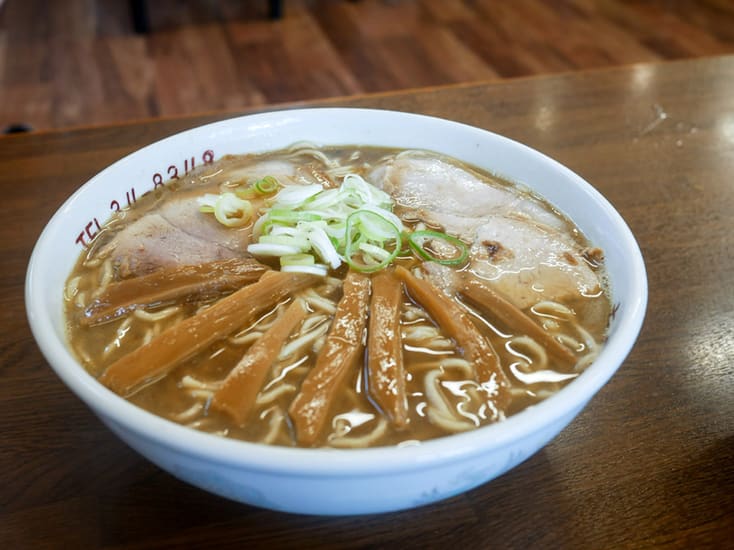
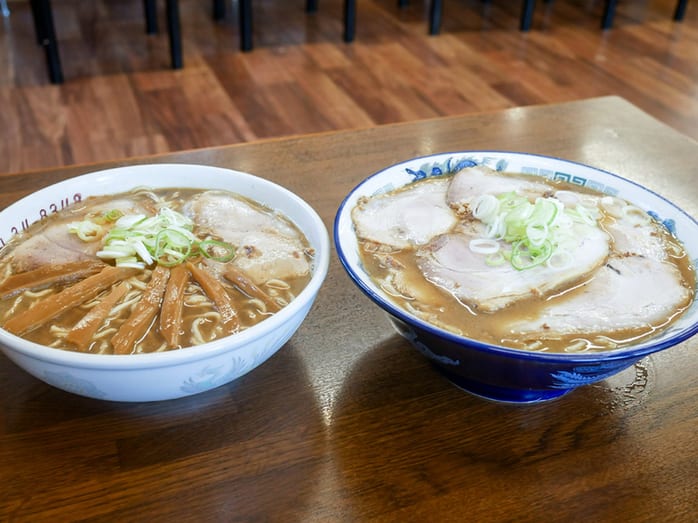
Takahashi Chuka Soba is celebrated for its rich and flavorful niboshi-based broth. Visitors find the soup, made by simmering dried sardines with pork bones and chicken, to be both robust and nuanced, striking a delicate balance between depth and refreshment. The restaurant's menu primarily features two dishes: Chuka Soba (standard ramen) and Zaru Chuka (cold noodles). Diners often rave about the Chuka Soba, where the noodles are perfectly complemented by the savory broth, creating a satisfying and memorable meal. Some also recommend pairing the ramen with toppings such as chashu and menma, which enhance the experience with their distinct textures and flavors.
Cuisine Genres: A Dive into Japanese Niboshi Ramen
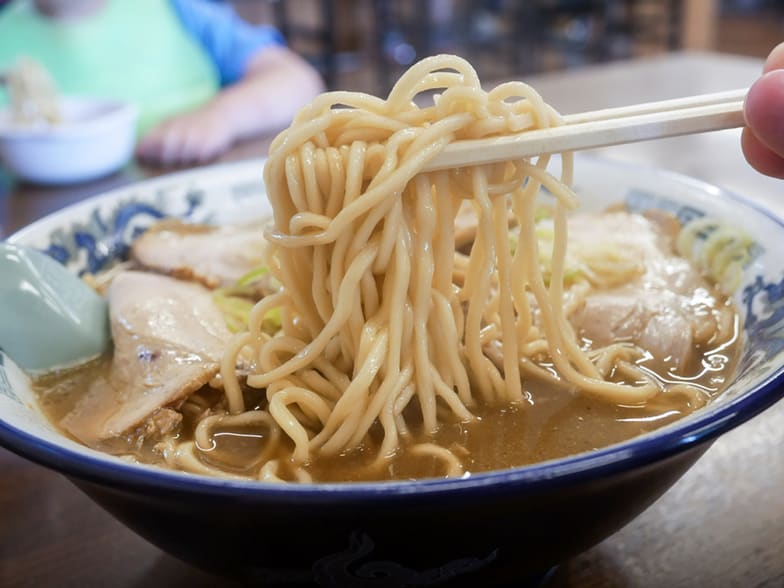
At Takahashi Chuka Soba, the focus is on Japanese ramen, specifically the Tsugaru-style niboshi ramen. Niboshi, or dried sardines, serve as the backbone of this dish, infusing the broth with an umami-rich flavor that is both hearty and aromatic. The noodles, typically medium-thick and slightly chewy, are made from a blend of high-quality wheat flour, ensuring they maintain their structure and absorb the flavorful broth well. This authentic representation of Tsugaru's ramen heritage provides a unique culinary experience that is both comforting and delicious. Visitors can expect a bowl of ramen that offers a wonderful introduction to the region's traditional cuisine.
Reviews
"Visiting Takahashi Chuka Soba again reminded me how special their broth is. The flavor really shone through, making the soup incredibly enjoyable. Their homemade noodles added to the delightful experience. It's a must-try for anyone who appreciates good ramen."
"This establishment is a cornerstone of Tsugaru's dried sardine ramen culture. Since 1982, their focus has been unwavering, and it's clear why there are long lines on weekends. The delicious aroma and rich flavor make it a standout place in Hirosaki, definitely worth a visit."
"The first time at Takahashi Chuka Soba was a fantastic experience! The unique color and rich flavor of the ramen were a treat. The noodles paired beautifully with the broth, making it a dish I can see locals loving. I'm grateful to have discovered this gem."
"Today’s adventure took me to Takahashi Chuka Soba. The rich broth with a hint of acidity was balanced perfectly with the chewy noodles. The magnitude of flavor in each bowl is impressive. I look forward to returning for another bowl soon."
"Even on a busy day, the atmosphere was inviting. The blend of flavors in the ramen was spot on, with a delightful mixture of richness and comfort. I can't wait to come back and savor another bowl of that delicious soup."
Opening Hours
Monday: 11:00 AM – 3:45 PM
Tuesday: 11:00 AM – 3:45 PM
Wednesday: Closed
Thursday: 11:00 AM – 3:45 PM
Friday: 11:00 AM – 3:45 PM
Saturday: 11:00 AM – 3:45 PM
Sunday: 11:00 AM – 3:45 PM
Tuesday: 11:00 AM – 3:45 PM
Wednesday: Closed
Thursday: 11:00 AM – 3:45 PM
Friday: 11:00 AM – 3:45 PM
Saturday: 11:00 AM – 3:45 PM
Sunday: 11:00 AM – 3:45 PM
How to Get There
Train / Subway
380m (0.24mi) from Naijo City Station - about a 6-minute walk
3.3km (2.03mi) from Hirosaki Station
3.4km (2.08mi) from Central Hirosaki Station
3.3km (2.03mi) from Hirosaki Station
3.4km (2.08mi) from Central Hirosaki Station
Bus stop
108m (0.07mi) from Funiuzi - about a 2-minute walk
Map
Japan, 〒036-8075 Aomori, Hirosaki, Naijōshi, 1-chōme−3−6
<div class="maps_inPage"><iframe src="https://www.google.com/maps/embed/v1/place?q=Takahashi%20Chuka%20Soba%20Japan%2C%20%E3%80%92036-8075%20Aomori%2C%20Hirosaki%2C%20Naij%C5%8Dshi%2C%201-ch%C5%8Dme%E2%88%92%EF%BC%93%E2%88%92%EF%BC%96¢er=40.6201195,140.49559879999998&language=en&key=AIzaSyDSXnuFxE3B1oprM7fhXpI0Zj7dMr4BYtY" allowfullscreen></iframe></div>
Things to Do in the Area
Aomori - A Cultural Gem Surrounded by Nature
Aomori, located at the northern tip of Japan's main island of Honshu, is renowned for its stunning natural landscapes and rich cultural heritage. Visitors flock to this region to experience its breathtaking scenery, delicious local cuisine, and historical landmarks.
- Aomori Nebuta Festival: Celebrated annually in August, this vibrant festival features giant illuminated floats and traditional music, attracting thousands of visitors to experience the lively atmosphere.
- Hakkoda Mountains: Known for its stunning alpine scenery, the Hakkoda Mountains offer excellent hiking opportunities in summer and attractive snow activities in winter, presenting a paradise for outdoor enthusiasts.
- Aomori Museum of Art: This modern art museum showcases works from renowned Japanese artists, including an impressive collection of contemporary art, making it a must-visit for art lovers.
Hirosaki - Where History Blossoms Amidst Scenic Beauty
Hirosaki, nestled in the northwest of Aomori Prefecture, is famous for its historical significance and remarkable cherry blossoms. This charming town seamlessly blends cultural heritage with beautiful landscapes that enchant visitors year-round.
- Hirosaki Castle: An iconic symbol of the city, Hirosaki Castle is surrounded by beautiful moats and cherry trees, offering spectacular views, especially during the sakura season.
- Hirosaki Park: A sprawling urban park home to one of Japan's premier cherry blossom spots, offering picturesque walking paths and opportunities to enjoy seasonal events amid historic buildings.
- Neputa Village: Dedicated to the region's unique cultural heritage, this village features exhibits on traditional Neputa floats, along with workshops where visitors can learn about local crafts and history.