
Overview
Restaurant Overview and Charm: A Hidden Gem in Manno
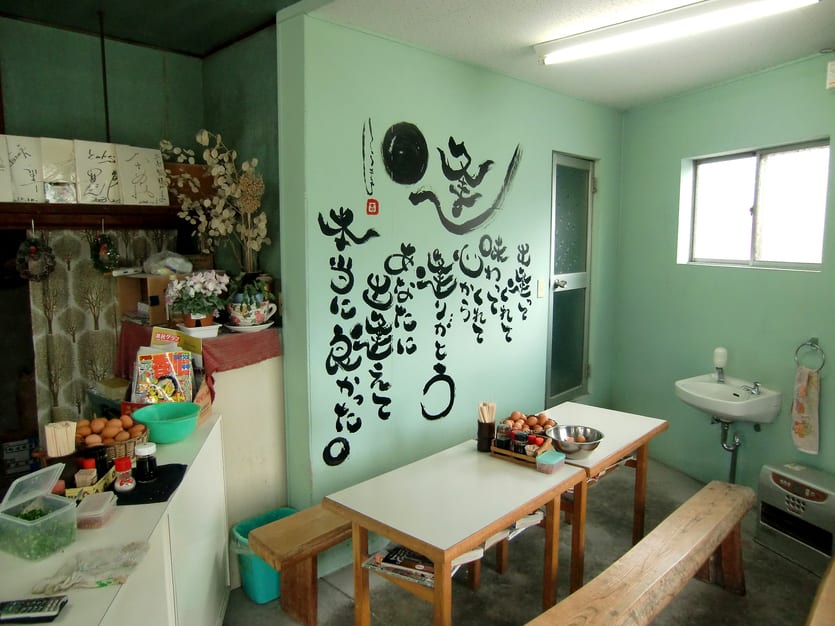
Nestled quietly in the mountainous region of Manno Town, Mishima Seimenjo offers a rustic dining experience that captures the essence of traditional Sanuki udon culture. Known for its unassuming exterior, this udon shop lacks flashy signs but attracts those who seek an authentic taste of Kagawa's culinary heritage. The restaurant features a simple menu focused solely on udon, offering patrons a choice between hot or cold noodles. With a rich history spanning approximately 65 years, Mishima Seimenjo is not just a place for a meal but a journey into the roots of udon-making.
Culinary Appeal and Recommended Menu: Pure Simplicity on a Plate
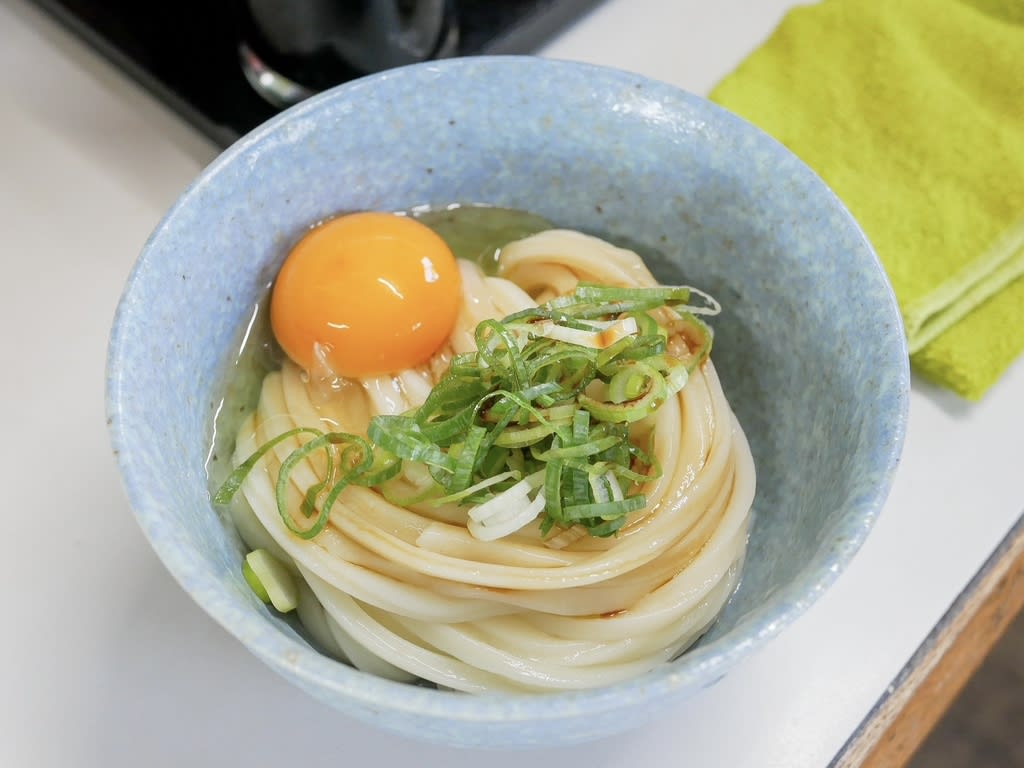
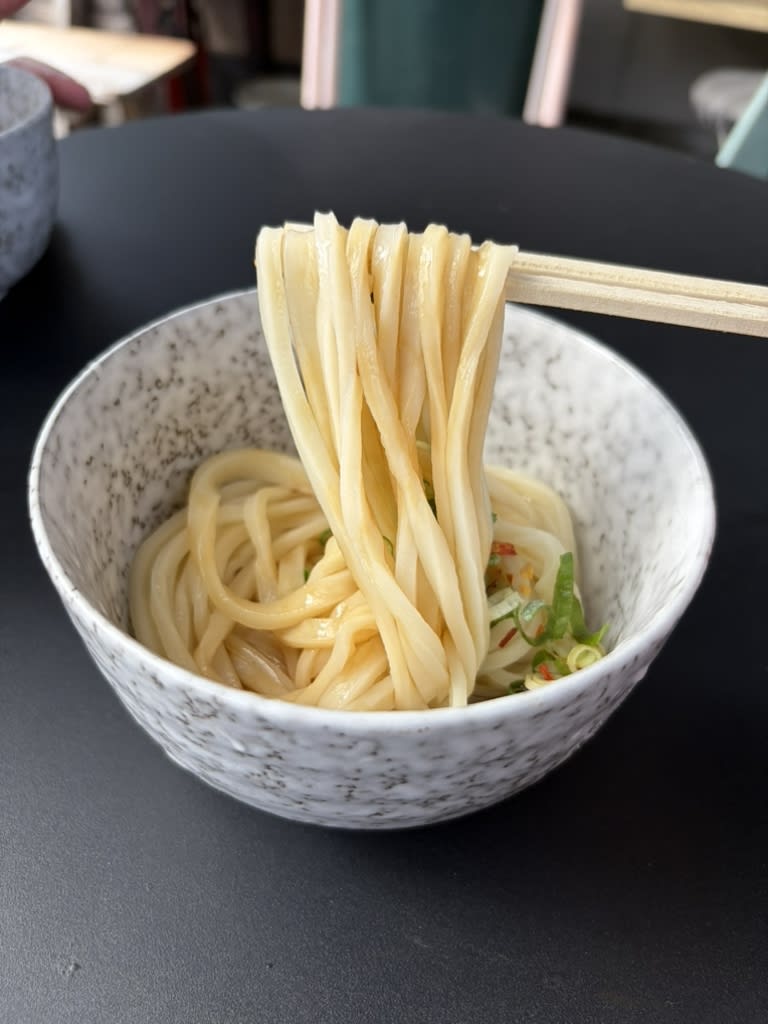
The culinary charm of Mishima Seimenjo lies in its uncomplicated menu and dedication to quality. The udon noodles are made fresh, characterized by their glossy appearance, silky texture, and just the right amount of bounce, showcasing the skill behind each batch. Guests can add toppings such as green onions, spicy condiments, and a raw egg for a personal touch, enhancing the dish’s flavor without overshadowing its innate qualities. Signature offerings include both hot and cold udon, which are best enjoyed with a light drizzle of soy sauce and a sprinkle of seasoning available at each table. The pricing remains surprisingly affordable, making a visit to this establishment a delightful discovery.
Cuisine Genres: Traditional Sanuki Udon
Mishima Seimenjo specializes exclusively in Sanuki udon, a style of udon from the Kagawa region known for its distinctively chewy and firm texture. The preparation is straightforward, allowing the natural flavors of the wheat to shine through. Visitors can expect a meal that reflects the beauty of simplicity—where each bite resonates with the heart and soul of traditional Japanese cooking.
Reviews
"Visiting in early June was a delightful start to my udon journey. The warmth of the welcome matched the comforting bowl of noodles. Enjoyed every bite while soaking in the beautiful countryside view."
"Arriving at the hidden gem was a bit of an adventure, but the simplicity of the menu made ordering easy. The smooth texture of the noodles was a treat, and the price felt like a wonderful surprise. Can't wait to return!"
"After a morning hike, I was thrilled to find this spot open. The finely crafted udon had a lovely chewiness, and adding seasonings elevated the experience. A peaceful place to enjoy delicious food, I’ll definitely come back."
"The drive to this serene udon shop was well worth it. The noodles were a perfect balance of texture and flavor, making each bite satisfying. The self-service approach added a casual charm to the experience."
"My first experience of udon in Kagawa was unforgettable. The simplicity of the dish, combined with the delightful atmosphere, created a magical moment. I can't wait to explore more flavors on my next visit!"
Opening Hours
Monday: 9:00 AM – 3:00 PM
Tuesday: 9:00 AM – 3:00 PM
Wednesday: 9:00 AM – 3:00 PM
Thursday: 9:00 AM – 3:00 PM
Friday: Closed
Saturday: 9:00 AM – 3:00 PM
Sunday: 9:00 AM – 3:00 PM
Tuesday: 9:00 AM – 3:00 PM
Wednesday: 9:00 AM – 3:00 PM
Thursday: 9:00 AM – 3:00 PM
Friday: Closed
Saturday: 9:00 AM – 3:00 PM
Sunday: 9:00 AM – 3:00 PM
How to Get There
Train / Subway
14.4km (8.93mi) from Shioiri Station
26.8km (16.67mi) from Eguchi Station
29.1km (18.09mi) from Mikamo Station
26.8km (16.67mi) from Eguchi Station
29.1km (18.09mi) from Mikamo Station
Bus stop
239m (0.15mi) from Nakadori - about a 4-minute walk
Map
276 Kawahigashi, Manno, Nakatado District, Kagawa 766-0203, Japan
<div class="maps_inPage"><iframe src="https://www.google.com/maps/embed/v1/place?q=%E4%B8%89%E5%B6%8B%E8%A3%BD%E9%BA%BA%E6%89%80%20276%20Kawahigashi%2C%20Manno%2C%20Nakatado%20District%2C%20Kagawa%20766-0203%2C%20Japan¢er=34.1419754,133.96134949999998&language=en&key=AIzaSyDSXnuFxE3B1oprM7fhXpI0Zj7dMr4BYtY" allowfullscreen></iframe></div>
Things to Do in the Area
Kagawa - A Hidden Gem of Culture and Cuisine
Kagawa, the smallest prefecture in Japan, is renowned for its rich cultural heritage and delicious culinary offerings, particularly its udon noodles. The picturesque landscapes and historic sites invite travelers to explore its unique charm.
- Ritsurin Garden: A stunning example of Japanese landscape gardening, Ritsurin Garden features meticulously landscaped grounds, beautiful ponds, and seasonal flowers that create a tranquil atmosphere for visitors. It is recognized as one of Japan's top three gardens.
- Shikoku Mura: This open-air museum showcases traditional rural architecture and crafts from the Shikoku region, allowing visitors to immerse themselves in the history and culture of the area through guided tours and seasonal events. The museum also features scenic views of nearby mountains and the sea.
- Kotohira-gu Shrine: Known as Konpira-san, this sacred Shinto shrine is dedicated to the deity of seafarers and has been a pilgrimage site since ancient times. Climbing the 1,368 steps to reach the main shrine rewards visitors with breathtaking views and a sense of spiritual connection.
Manno - Nature's Sanctuary and Serenity
Manno is celebrated for its natural beauty and serene landscapes, characterized by lush greenery and mountains that attract outdoor enthusiasts. Its tranquility makes it the perfect destination for those looking to escape the hustle and bustle of city life.
- Manno Keikoku: A picturesque valley that offers hiking trails, waterfalls, and stunning views of the surrounding mountains, Manno Keikoku is ideal for nature lovers and adventure seekers year-round. The area is particularly beautiful during the autumn foliage season.
- Manno Pond: This tranquil pond is the largest in Kagawa Prefecture and serves as a haven for various bird species, making it a perfect spot for birdwatching and leisurely walks. The serene atmosphere and scenic views provide a peaceful retreat for visitors.
- Hoshitoge Rice Terraces: Renowned for their breathtaking vistas, these terraced rice fields create a dramatic landscape that reflects the unique agricultural practices of the region. The terraces are especially photogenic during the planting and harvesting seasons.