
Overview
What is Higashiyama Ogata? A Glimpse into a Culinary Masterpiece
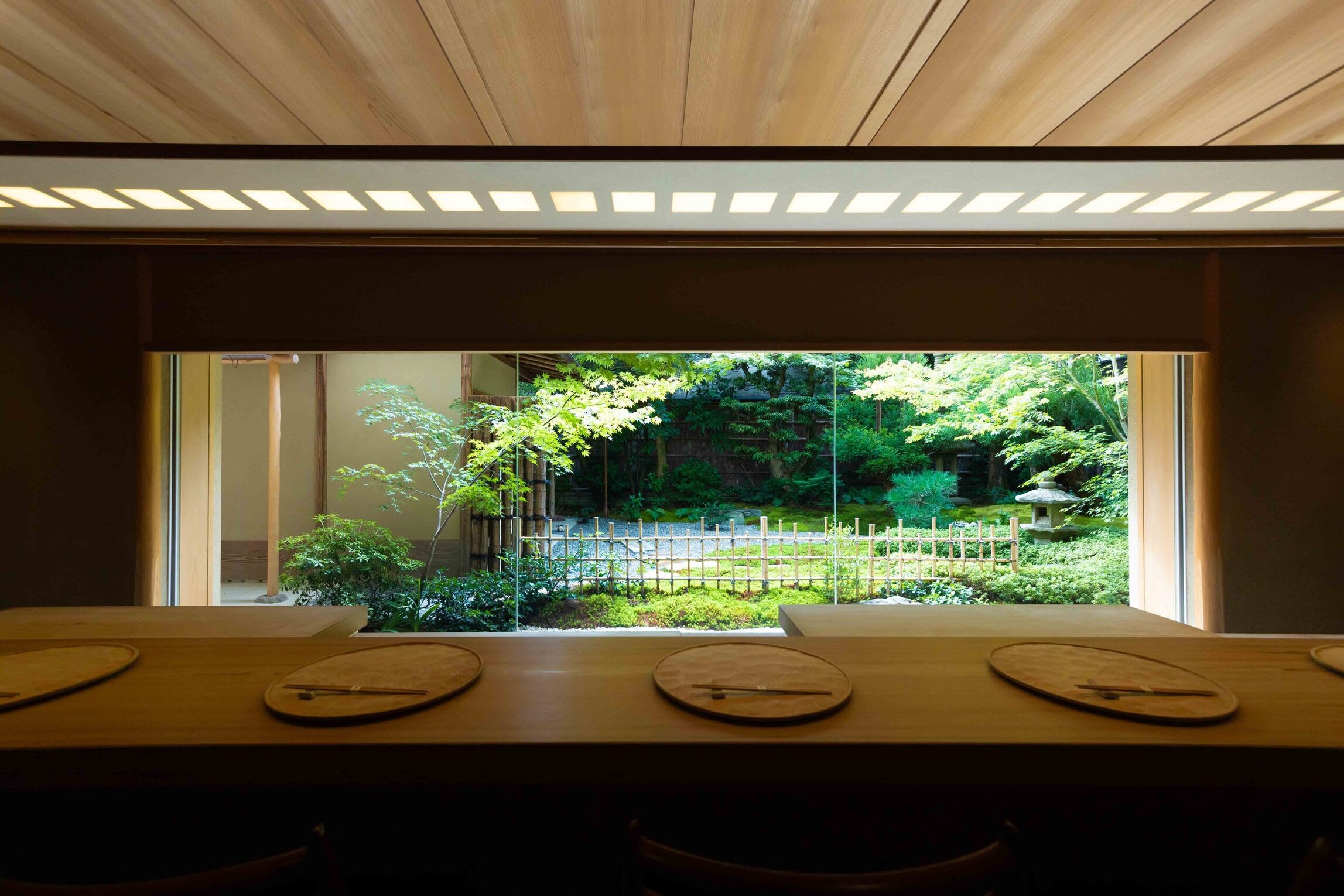
Higashiyama Ogata is a Japanese restaurant nestled in the serene vicinity of Okazaki in Kyoto. Opened in the autumn of 2021, this establishment is a sibling of the renowned Ogata, skillfully orchestrated by head chef Koji Fukui. The restaurant’s design resonates with traditional Japanese aesthetics, offering a luxurious and tranquil dining experience complemented by an exquisite garden view. Each dish reflects a singular commitment to craftsmanship and the art of kaiseki, a traditional multi-course Japanese meal designed to showcase seasonal ingredients at their peak.
Culinary Appeal and Recommended Menu
The culinary offerings at Higashiyama Ogata are a celebration of Kyoto's rich gastronomic heritage. The restaurant is particularly famous for its Matsutake mushroom dishes, which are thoughtfully prepared to highlight their unique flavors. One of the standout items is the Matsutake tempura, renowned for its generous serving and deep, earthy aroma that fills the senses.
Diners often rave about the exquisite kamaboko (fish cake), outstanding eel tempura, and clear soups infused with umami from seasonal ingredients, all crafted with meticulous attention to detail. Each course is a carefully curated experience, delivering both flavor and presentation that captivates guests.
Cuisine Genres
Higashiyama Ogata specializes in kaiseki, an artful style of Japanese cuisine that emphasizes seasonal ingredients. This type of cuisine is characterized by careful presentation and the harmony of flavors, aiming to engage all the senses while ensuring that each ingredient shines through without overwhelming others. The chef’s philosophy revolves around utilizing fresh, local ingredients, which not only reflects Kyoto’s culinary traditions but also supports local producers.
With every visit, guests can anticipate a fresh experience, as the menu evolves with the seasons, bringing forth a delightful array of flavors that mirror the natural bounty of Japan. Higashiyama Ogata promises an unforgettable journey through the heart of Japanese culinary art, where tradition meets creativity in every dish.
Reviews
"Visiting when Chef Ogata was present was a delightful experience. The chestnut rice was impressive, and the tempura was generously portioned. For such exceptional matsutake, it was worth it. I enjoyed every dish, including the final tea rice."
"I wanted to experience the best of Kyoto cuisine after a less pleasant meal elsewhere. I reserved a table and enjoyed wonderfully comforting dishes without unnecessary flair. The matsutake course was exquisite, especially the tempura, and I plan to return during the autumn foliage."
"Under Chef Fukui's direction, the dishes retain the essence of Ogata while reflecting his unique flair. The seasonal ingredients and serene atmosphere already create an exceptional dining experience that's truly remarkable."
"My travels led me to explore award-winning restaurants, and I’m grateful for this experience. Every dish reflects dedication and artistry, and I look forward to my next visit to enjoy more remarkable meals."
"I enjoyed a lovely kaiseki meal in a luxurious setting. The food, sake, and service were all exceptional, complemented by the beautiful garden, creating a perfect dining atmosphere."
Opening Hours
Monday: 4:00 – 10:00 PM
Tuesday: Closed
Wednesday: 4:00 – 10:00 PM
Thursday: 4:00 – 10:00 PM
Friday: 4:00 – 10:00 PM
Saturday: 4:00 – 10:00 PM
Sunday: 4:00 – 10:00 PM
Tuesday: Closed
Wednesday: 4:00 – 10:00 PM
Thursday: 4:00 – 10:00 PM
Friday: 4:00 – 10:00 PM
Saturday: 4:00 – 10:00 PM
Sunday: 4:00 – 10:00 PM
How to Get There
Train / Subway
668m (0.42mi) from Higashiyama Station - about an 11-minute walk
775m (0.48mi) from Keage Station - about a 12-minute walk
804m (0.50mi) from Kueage Station - about a 13-minute walk
775m (0.48mi) from Keage Station - about a 12-minute walk
804m (0.50mi) from Kueage Station - about a 13-minute walk
Bus stop
348m (0.22mi) from Jingu Shrine - about a 6-minute walk
280m (0.17mi) from Okazaki Park Museum / Heian Shrine - about a 5-minute walk
246m (0.15mi) from Sanjo Hiromichi - about a 4-minute walk
280m (0.17mi) from Okazaki Park Museum / Heian Shrine - about a 5-minute walk
246m (0.15mi) from Sanjo Hiromichi - about a 4-minute walk
Map
Japan, 〒606-8344 Kyoto, Sakyo Ward, Okazaki Enshōjichō, 91−5 眞松庵 1F
<div class="maps_inPage"><iframe src="https://www.google.com/maps/embed/v1/place?q=Higashiyama%20Ogata%20Japan%2C%20%E3%80%92606-8344%20Kyoto%2C%20Sakyo%20Ward%2C%20Okazaki%20Ensh%C5%8Djich%C5%8D%2C%20%EF%BC%99%EF%BC%91%E2%88%92%EF%BC%95%20%E7%9C%9E%E6%9D%BE%E5%BA%B5%201F¢er=35.0113738,135.7846933&language=en&key=AIzaSyDSXnuFxE3B1oprM7fhXpI0Zj7dMr4BYtY" allowfullscreen></iframe></div>
Things to Do in the Area
Kyoto - A Timeless City of Tradition and Beauty
Kyoto, once the imperial capital of Japan, is renowned for its rich cultural heritage, stunning temples, and tranquil gardens. As a hub of history and tradition, visitors can explore a harmonious blend of ancient and modern attractions.
- Kinkaku-ji: Also known as the Golden Pavilion, this Zen temple is famous for its stunning architecture and serene surroundings, where the top two floors are covered in gold leaf.
- Fushimi Inari-taisha: This iconic Shinto shrine is celebrated for its thousands of vermilion torii gates that form picturesque pathways leading up the sacred Mount Inari.
- Arashiyama Bamboo Grove: A mesmerizing natural wonder, this serene bamboo forest creates a magical atmosphere as visitors stroll through its towering green stalks.
Sakyo - A Scenic Blend of Nature and Culture
Sakyo-ku, an area in Kyoto, is known for its beautiful landscapes, historical sites, and vibrant academic atmosphere, making it an ideal destination for those seeking both nature and culture.
- Philosopher's Path: This picturesque walkway lined with cherry blossom trees follows a serene canal and is perfect for contemplative strolls, especially during spring when the flowers bloom.
- Nanzen-ji Temple: A significant zen temple complex known for its impressive sanmon gate and beautiful gardens, offering a peaceful retreat from the bustling city life.
- Ginkaku-ji: Also known as the Silver Pavilion, this temple represents the elegance of Japanese architecture and its surrounding gardens are a perfect example of traditional landscape design.