
Overview
Restaurant Overview and Charm: A Taste of Heaven at Gakuen Tenku
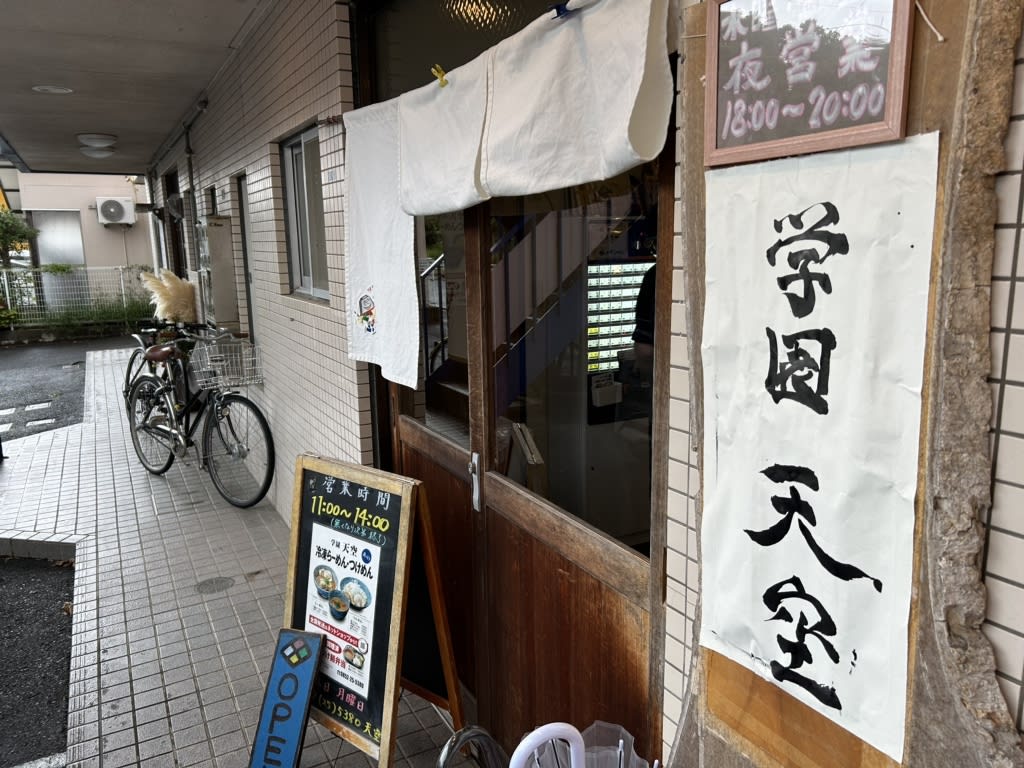
Gakuen Tenku, located in the vibrant Gakuen area of Matsue, is a ramen restaurant that has been delighting diners since its opening in 2013. With its stylish wooden interior and inviting atmosphere, the restaurant creates a warm and welcoming space for patrons. Specializing in rich and flavorful pork bone and seafood ramen, Gakuen Tenku stands out for its attention to detail and commitment to quality, ensuring a delightful experience with every bowl served.
Culinary Appeal and Recommended Menu: Rich Broths and Perfectly Cooked Noodles
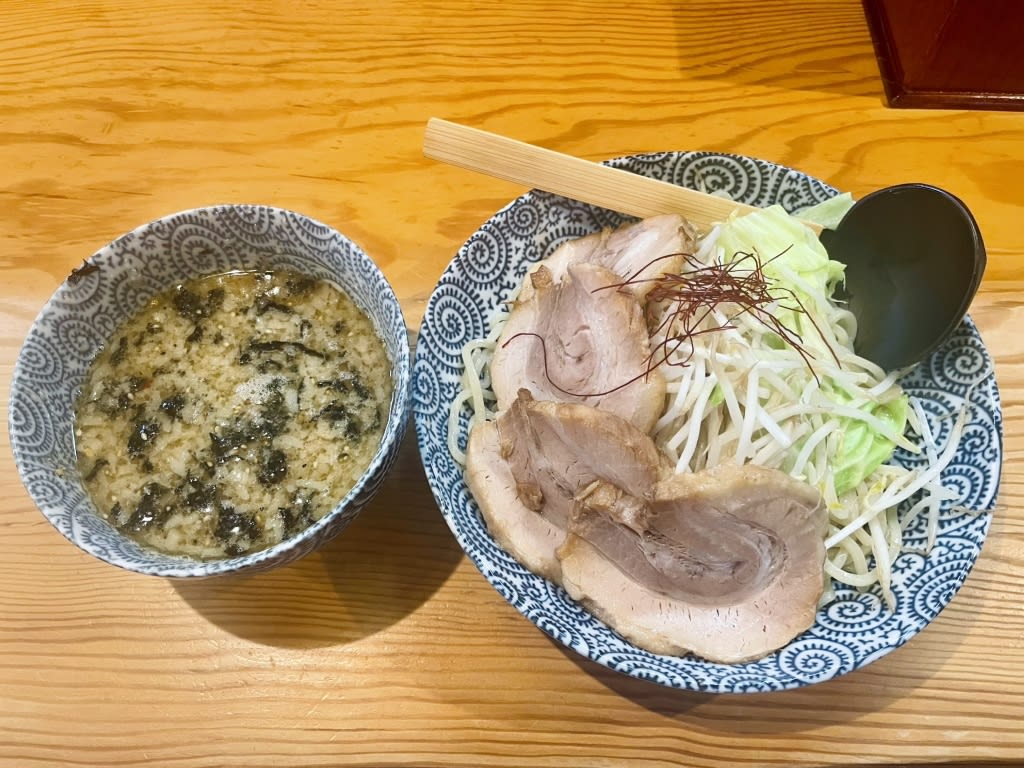
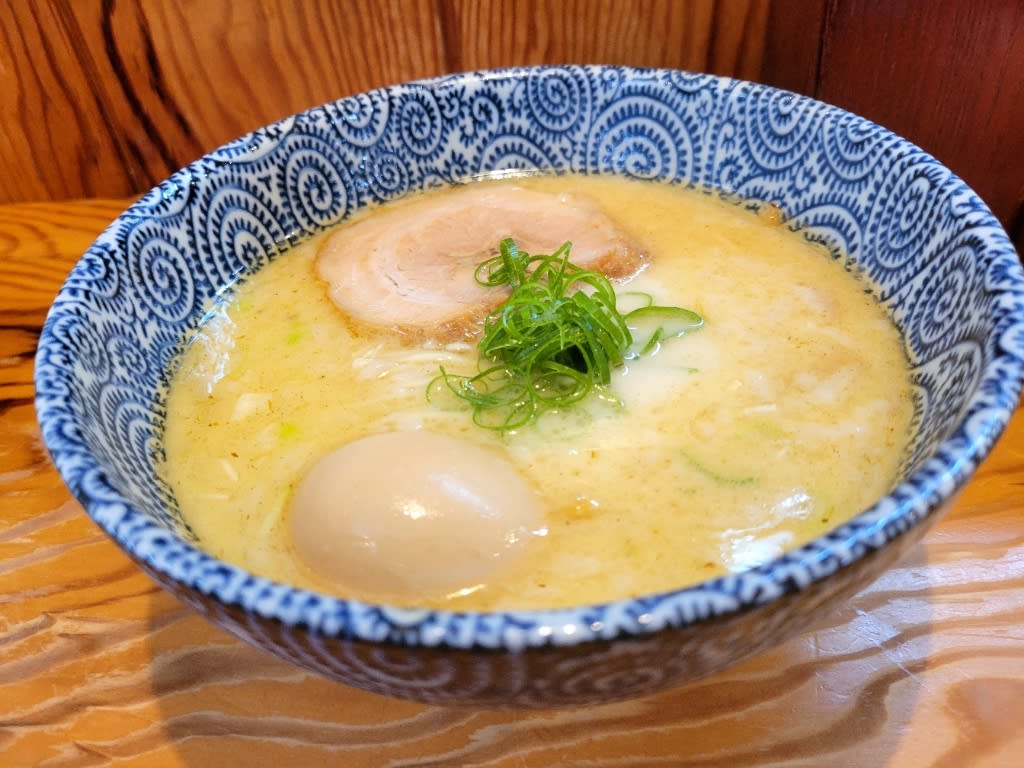
The culinary allure of Gakuen Tenku lies in its deeply flavorful broths, which balance richness with complexity. Signature dishes include the Shio Ramen and the Shoyu Ramen, both praised for their creamy textures and well-seasoned profiles. Notably, the ramen features bold flavors, with the pork belly chashu being incredibly tender and satisfying. Diners often note the perfect marriage of the medium-thick straight noodles with the broth, creating a harmonious and enjoyable meal. For a unique experience, the Tsukemen (dipping noodles) offers an alternative way to savor the rich flavors.
Cuisine Genres: Exploring the Richness of Ramen
Gakuen Tenku primarily focuses on Japanese ramen, a popular noodle dish that has garnered a following in Matsue. The restaurant features variations such as Shio Ramen (salt-based), Shoyu Ramen (soy sauce-based), and options based on pork, allowing visitors to explore different flavor profiles and textures. The attention to quality ingredients and cooking methods leads to a dining experience that showcases the best of Japanese ramen culture.
Reviews
"I had the pleasure of trying the salt ramen with a seasoned egg. The soup was incredibly creamy and delicious, making it a truly satisfying experience. The staff were cheerful and added to the positive atmosphere. I can see why there was a queue outside, and I'd love to come back for another visit."
"Visiting Gakuen Tenkuu was a delightful experience. The rich flavors of the pork ramen were impressive, and the attention to detail was evident. The welcoming vibe of the restaurant made the wait worthwhile. This spot definitely deserves its reputation as a local favorite."
"I recently tried the spicy dipping noodles for the first time, and the bright acidity of the dipping sauce added a unique twist. While I might prefer a variation without acidity in the future, I appreciate the creativity. The ambiance and service were excellent, and I'll definitely return to explore more of the menu."
"The pork ramen I had was a comforting bowl of deliciousness, especially on a chilly day. The balance of flavors was well done, and the staff were friendly and attentive. I look forward to trying other options during my next visit."
"My first visit to this popular ramen shop was a success. The chashu was plentiful, and the aromatic soup was a delightful surprise. Even though I had to wait a bit, the taste made it all worthwhile. I can't wait to return and enjoy another fantastic meal."
Opening Hours
Monday: Closed
Tuesday: 11:00 AM – 2:00 PM
Wednesday: 11:00 AM – 2:00 PM, 6:30 – 8:00 PM
Thursday: 11:00 AM – 2:00 PM
Friday: 11:00 AM – 2:00 PM, 6:30 – 8:00 PM
Saturday: 11:00 AM – 2:00 PM
Sunday: 11:00 AM – 2:00 PM
Tuesday: 11:00 AM – 2:00 PM
Wednesday: 11:00 AM – 2:00 PM, 6:30 – 8:00 PM
Thursday: 11:00 AM – 2:00 PM
Friday: 11:00 AM – 2:00 PM, 6:30 – 8:00 PM
Saturday: 11:00 AM – 2:00 PM
Sunday: 11:00 AM – 2:00 PM
How to Get There
Train / Subway
2.6km (1.64mi) from Daioteimmae Horikawa Yuran-sen Noriba
2.7km (1.68mi) from Matsue Station
3.7km (2.32mi) from Matsue-Shinjiko-Onsen Station
2.7km (1.68mi) from Matsue Station
3.7km (2.32mi) from Matsue-Shinjiko-Onsen Station
Bus stop
165m (0.10mi) from Gakuen Dori Central - about a 3-minute walk
274m (0.17mi) from Gakuen Dori North - about a 5-minute walk
439m (0.27mi) from Joto Nursery Entrance - about a 7-minute walk
274m (0.17mi) from Gakuen Dori North - about a 5-minute walk
439m (0.27mi) from Joto Nursery Entrance - about a 7-minute walk
Map
2-chōme-23-8 Gakuen, Matsue, Shimane 690-0825, Japan
<div class="maps_inPage"><iframe src="https://www.google.com/maps/embed/v1/place?q=%E5%AD%A6%E5%9C%92%20%E5%A4%A9%E7%A9%BA%202-ch%C5%8Dme-23-8%20Gakuen%2C%20Matsue%2C%20Shimane%20690-0825%2C%20Japan¢er=35.48229260000001,133.0684463&language=en&key=AIzaSyDSXnuFxE3B1oprM7fhXpI0Zj7dMr4BYtY" allowfullscreen></iframe></div>
Things to Do in the Area
Shimane - A Hidden Gem of Natural Beauty and Ancient Culture
Shimane Prefecture, located in western Japan, is known for its serene landscapes, rich cultural heritage, and numerous historical sites. It offers visitors a unique experience with its beautiful coastal scenery and inviting hot springs.
- Shimane Art Museum: Situated on the shores of Lake Shinji, this museum showcases contemporary art and offers stunning views of the surrounding landscape.
- Izumo Taisha: One of Japan's oldest and most important shrines, Izumo Taisha is dedicated to the deity of marriage and features remarkable architecture that attracts both spiritual seekers and history enthusiasts.
- Adachi Museum of Art: Renowned for its beautiful Japanese gardens, this museum also hosts an impressive collection of modern Japanese art, blending natural beauty with artistic expression.
Matsue - The City of Water, Castles, and Literature
Matsue, the capital of Shimane Prefecture, is a charming city often referred to as "the City of Water" due to its many rivers and lakes. It boasts a rich history and is known for its stunning castle and literary connections.
- Matsue Castle: This well-preserved castle, built in the early Edo period, offers visitors a glimpse into Japan's feudal past and features a panoramic view of the city from its top floor.
- Shimane Prefectural Matsue History Museum: This informative museum delves into the history and culture of Matsue, showcasing artifacts and exhibitions that highlight the city's development over the centuries.
- Buke Yashiki (Samurai House): A historic residence of a samurai family, Buke Yashiki allows visitors to explore traditional Japanese architecture and learn about the lifestyle of the samurai class during the Edo period.